How Evidence Turned a Cleanup Campaign Into Public Trust
Research, reporting, and media coverage helped a small not-for-profit make its issue easier to understand, believe, and act on.
CASE: PUBLIC TRUST
The Public Proof Problem
Fix Our World was a small not-for-profit organization in Hamilton, Ontario focused on environmental protection, especially litter removal.
The organization was preparing to launch a cleanup campaign and contest with local schools. The goal was to encourage students to take action while creating more public awareness around litter.
But the campaign needed more than awareness.
Litter was visible. The scale of the issue was not.
To make the problem easier to understand and believe, the campaign needed a way to collect data, show patterns, and turn scattered observations into public proof.
That became the role of Street Team Cleanup.
The project gave students a way to participate, collect information, and help turn a local cleanup effort into a more measurable public issue.
Turning Awareness Into Evidence
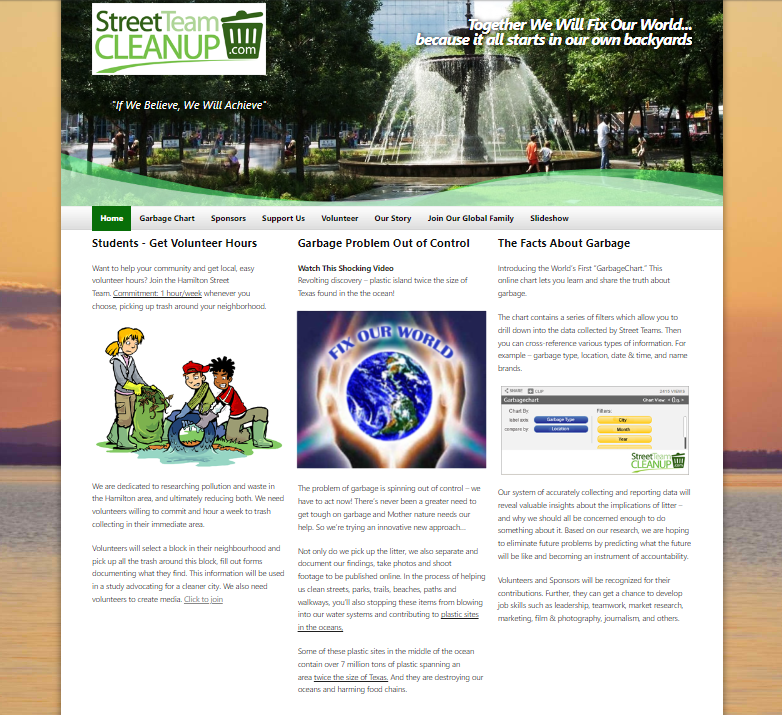
The campaign needed a simple way to turn scattered observations into usable evidence. I created the Street Team Cleanup website, campaign name, logo, and student worksheet so volunteers could collect litter data in a more structured way.
This gave the campaign something more credible than a general message. It gave the issue a visible public home and a way to organize what people were seeing.
Creating Public Proof
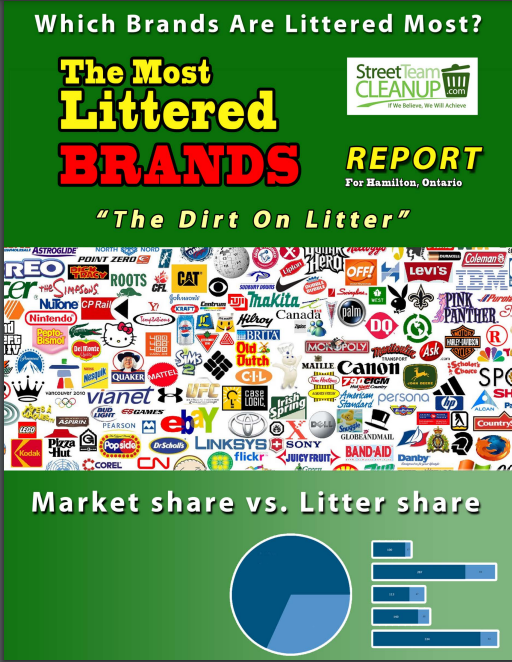
The Most Littered Brands Report turned the collected data into a public proof asset. It showed which brands, litter types, quantities, and locations were appearing most often.
The goal was not to embarrass brands. It was to make the issue more measurable, more understandable, and easier for others to act on.
The Result: Public Credibility
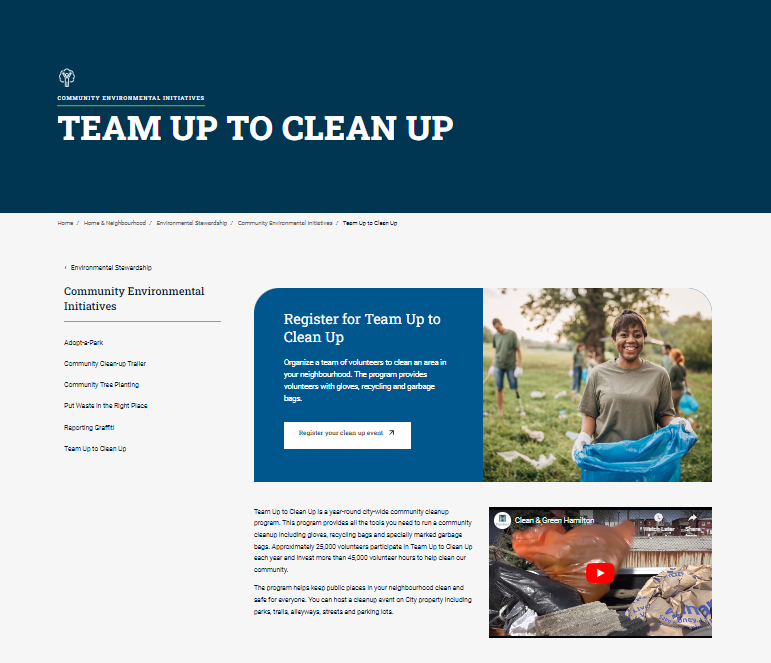
After the cleanup initiative brought public attention to the issue, the City of Hamilton took action — launching its own “Team Up to Clean Up” program, which continues today. This initiative empowers local residents with funding and support to organize their own litter cleanup events, ensuring the momentum we sparked turned into a lasting, community-driven solution.
- A local issue became easier to understand.
- The campaign gained third-party media coverage. (Local News Article #1: The Hamilton Specatator. )
- Research turned scattered observations into usable evidence.
- The website became a public credibility asset.
- Website traffic increased by 350% after media coverage media coverage (Local News Article #2: The Hamilton Specatator. )
From the Book: Trust Increases When Claims Become Evidence
This case shows a simple authority principle: people trust an issue more when they can see evidence, not just intent.
The cleanup campaign did not only ask people to care. It made the problem visible, measurable, and easier to believe.
In The Authority Gap, this is part of what makes authority work. Buyers trust firms more when claims are supported by proof they can understand, verify, and share.