
Signature Idea / Core Problem
Introduced signature idea: legal risk begins when cyber escalation happens too late.

I help B2B consulting firms close the Authority Gap before buyers choose someone else.
Krishan Thakker had deep legal expertise in cyber, privacy, AI governance, and technology risk.
But expertise alone does not make a buyer pay attention.
The buyer has to see why the expertise matters now.
For many organizations, cyber legal advice can feel abstract until something goes wrong. The risk is easy to underestimate before an incident, but much harder to manage once the organization is already responding under pressure.
The opportunity was to make Krishan’s expertise more relevant before the crisis.
That meant reframing the message around the buyer’s real situation: breach response, privilege, board accountability, regulatory scrutiny, evidence preservation, and decisions that may later be judged by others.
The goal was not just to explain what Krishan knew.
The goal was to show buyers when and why that expertise becomes critical.
Seeing this ecosystem of assets come together from a single interview is genuinely impressive.
The campaign started by pulling Krishan’s legal expertise into a sharper buyer-facing problem.
Cyber and privacy legal guidance can feel abstract until an incident happens. But by then, decisions are already being made under pressure. Communications are being documented. Vendors are being engaged. Evidence is being created. Boards and executives may be exposed to legal, regulatory, financial, and reputational risk.
The goal was to make the urgency clearer before the breach.
Through the interview process, we identified the moments where legal judgment becomes critical: when to involve counsel, how to preserve privilege, how to manage forensic vendors, what boards need to understand, and why early decisions can shape the defensibility of the entire response.
This gave the campaign a stronger center of gravity.
The message was no longer just “cyber legal expertise.”
It became a practical warning:
A breach is not just a technical event. It becomes a legal record.
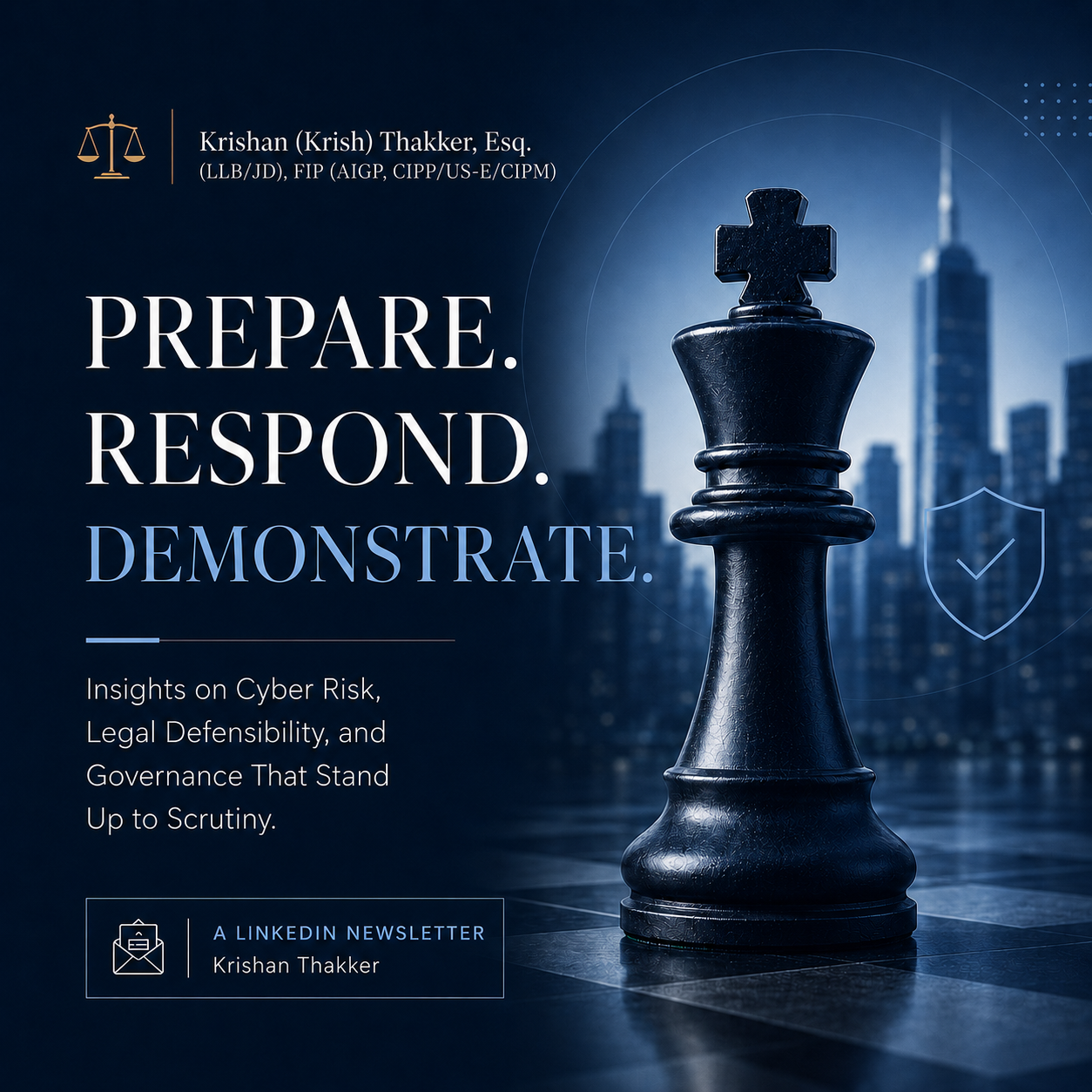
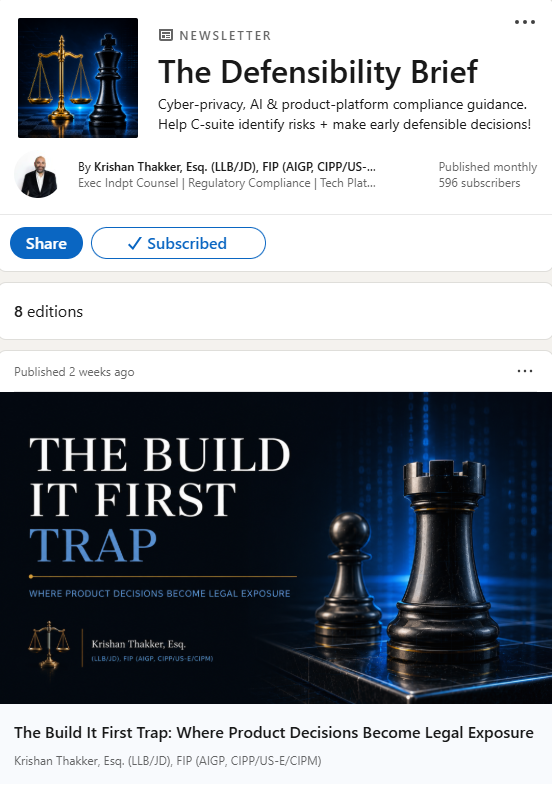
The article series was not only designed for visibility. It was also designed to build a recurring audience around Krishan’s legal defensibility perspective. The launch of the Fiduciary Pre-Mortem newsletter gave that audience a place to subscribe, follow the ideas over time, and stay connected to Krishan’s developing point of view on cyber risk, governance, AI, privacy, and legal defensibility.
Within the first week, the newly created newsletter grew to more than 400 subscribers — creating a warm audience for future articles, video clips, and diagnostic offers.
Selected clips from the interview were integrated into the articles, giving readers Krishan’s own explanation of the ideas and making the legal defensibility concepts easier to understand in context.

You captured the exact friction points we discussed regarding the 72-hour exposure gap and the Triad governance approach.
The interview clips needed a place to live beyond LinkedIn.
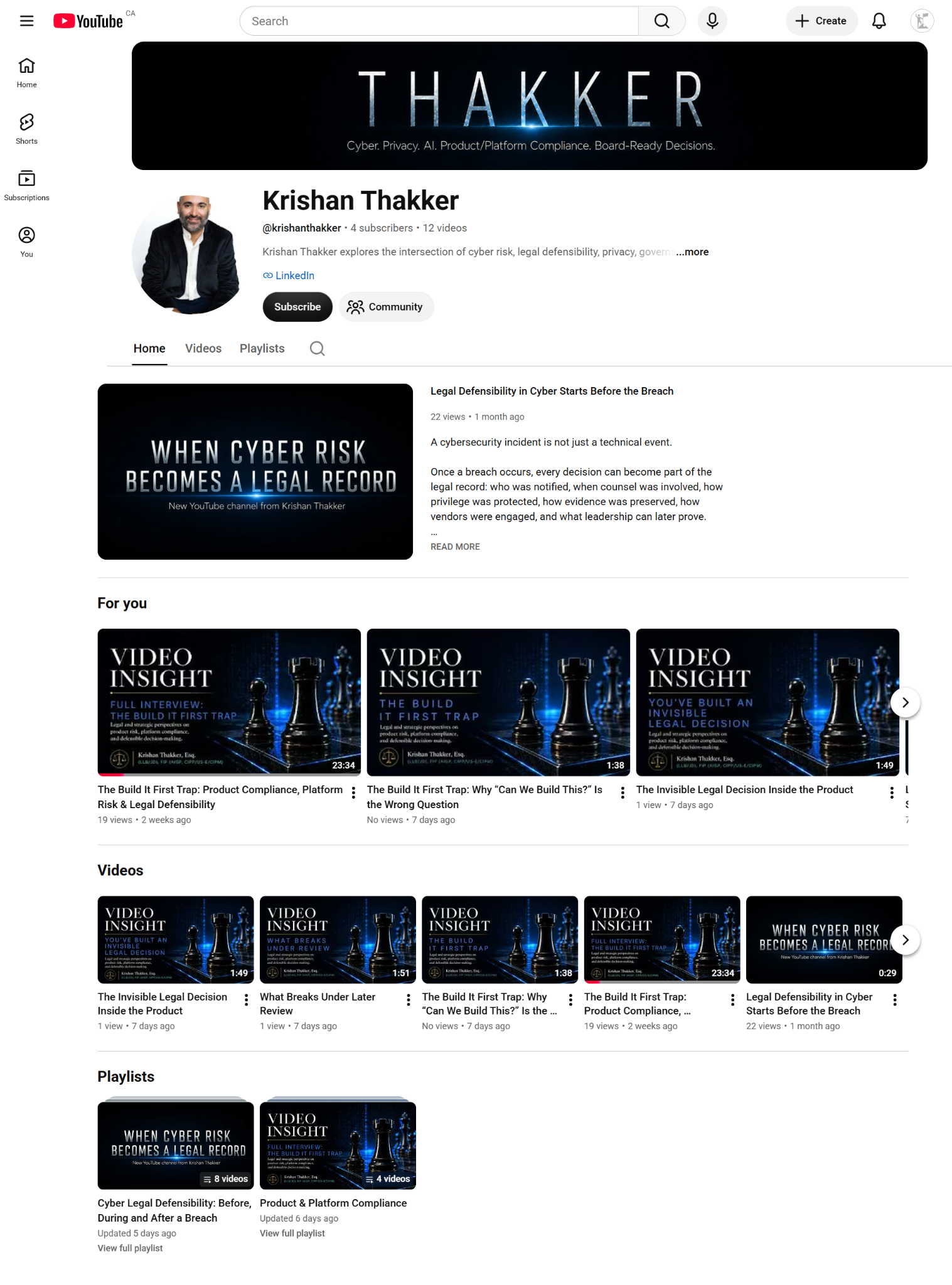
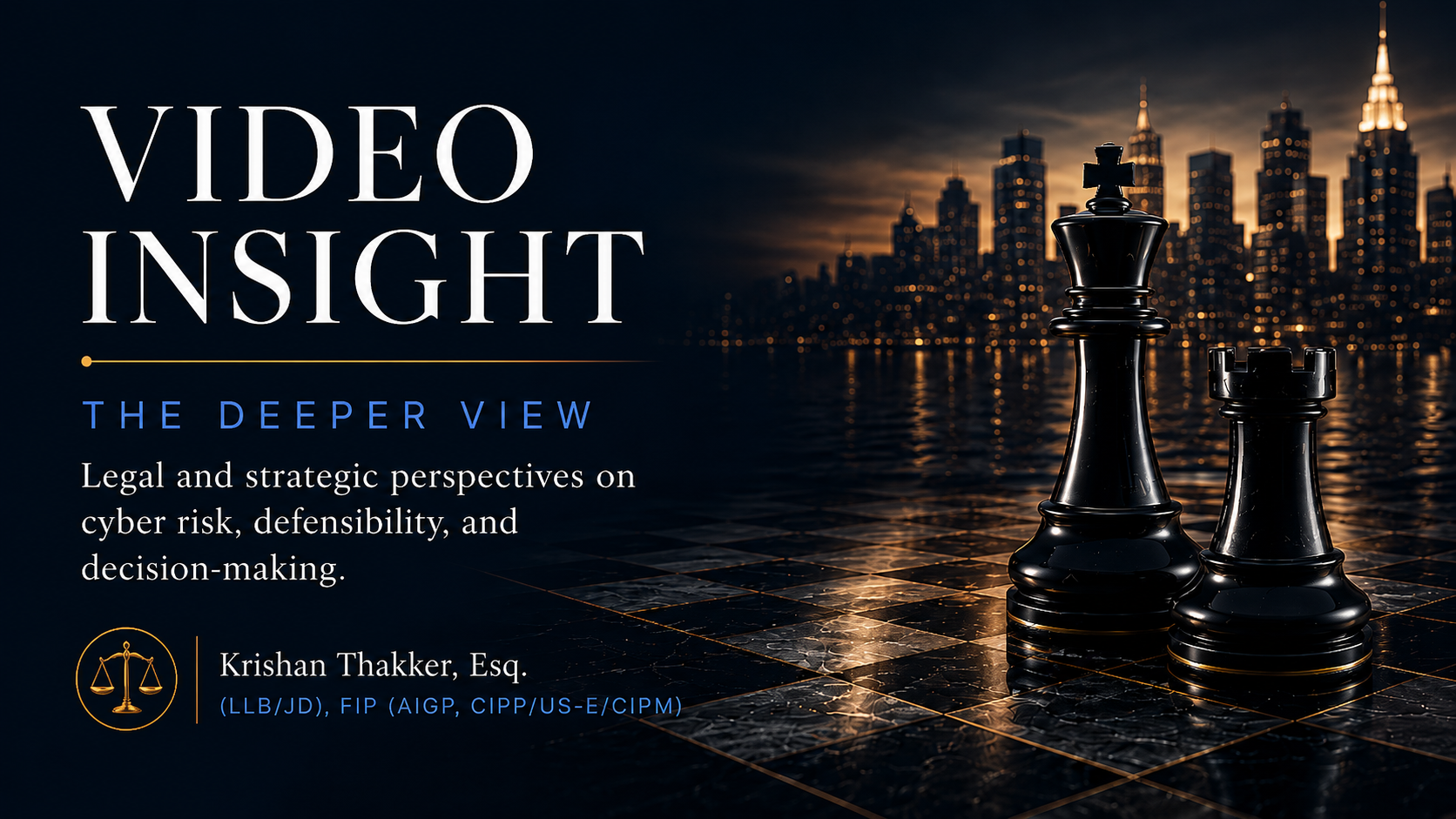
I created a dedicated YouTube channel for Krishan’s legal defensibility content, including an introduction video communicating his core narrative, custom banner, channel description, branded video covers, and six short clips from the core interview.
The channel was built as reusable infrastructure. The clips can support LinkedIn articles, newsletter editions, posts, and future campaigns. Over time, the channel can expand into playlists for Krishan’s commentary, expert interviews, guest appearances, and conversations across cybersecurity, law, privacy, compliance, risk, and board advisory.
At launch, the clips were kept in the main video feed so the channel looked fuller immediately. As more videos are added, they can be organized into playlists around legal defensibility, board-ready decisions, AI governance, incident response, and expert interviews. Visit Krishan's YouTube channel.
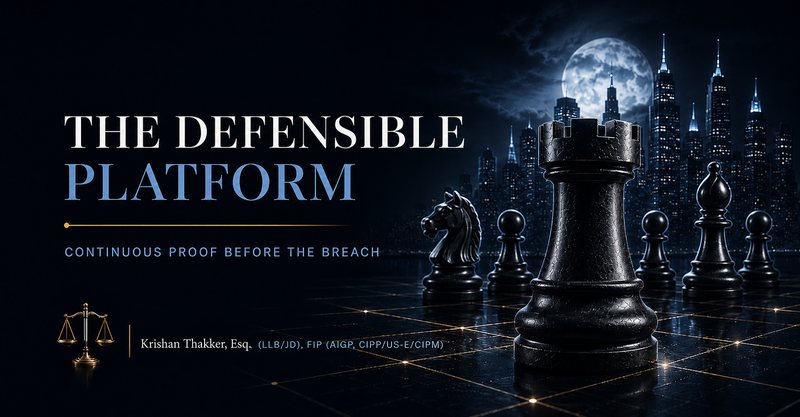
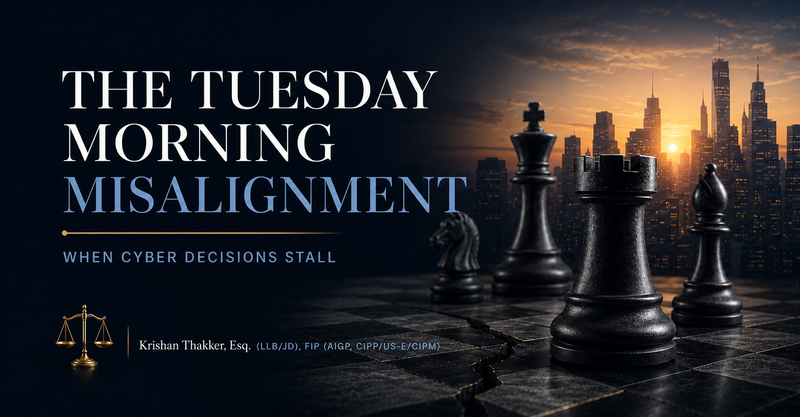
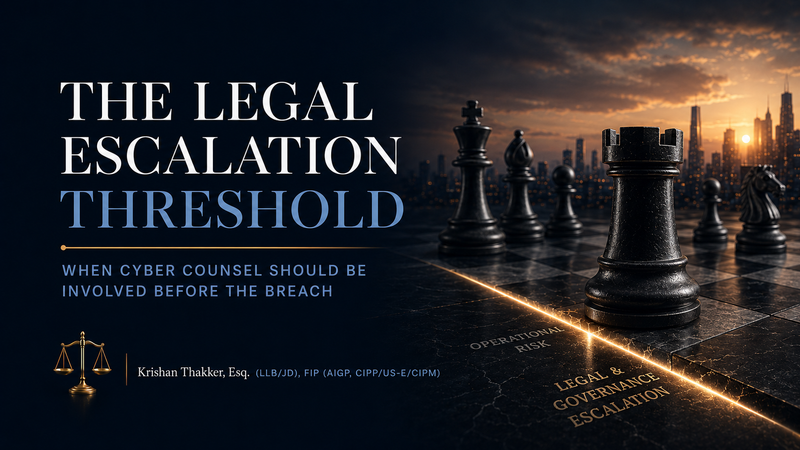
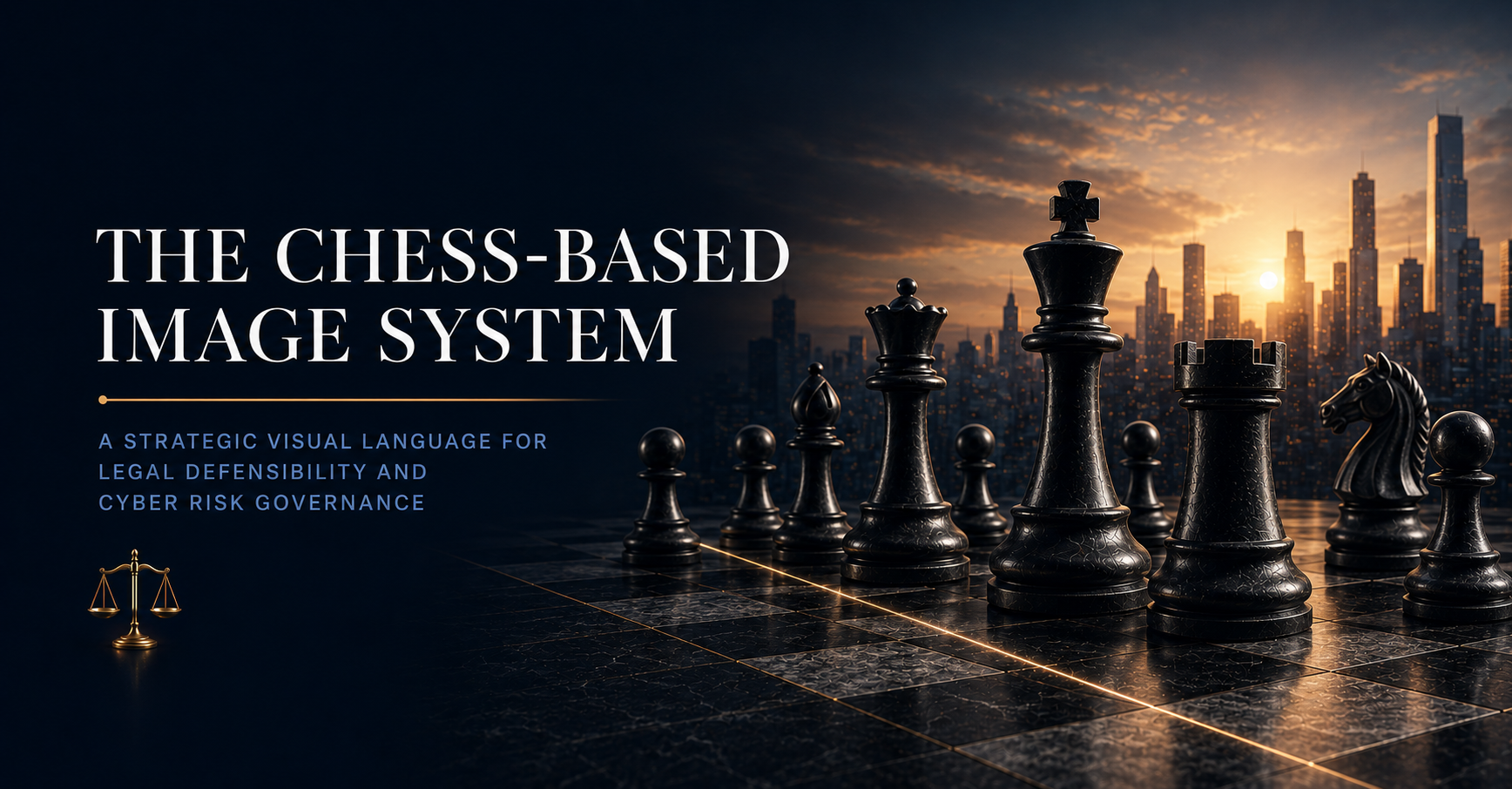
Krishan’s connection to chess gave the visual system a natural starting point. Strategy, timing, foresight, and risk all mirrored the way he talks about cyber legal defensibility. That became the visual language: chess pieces, scales of justice, legal imagery, and “Left of Boom” positioning.
The goal was recognition — making every article, video, newsletter image, profile asset, and diagnostic post feel like part of the same authority platform.
The visual analogy works perfectly for my positioning.
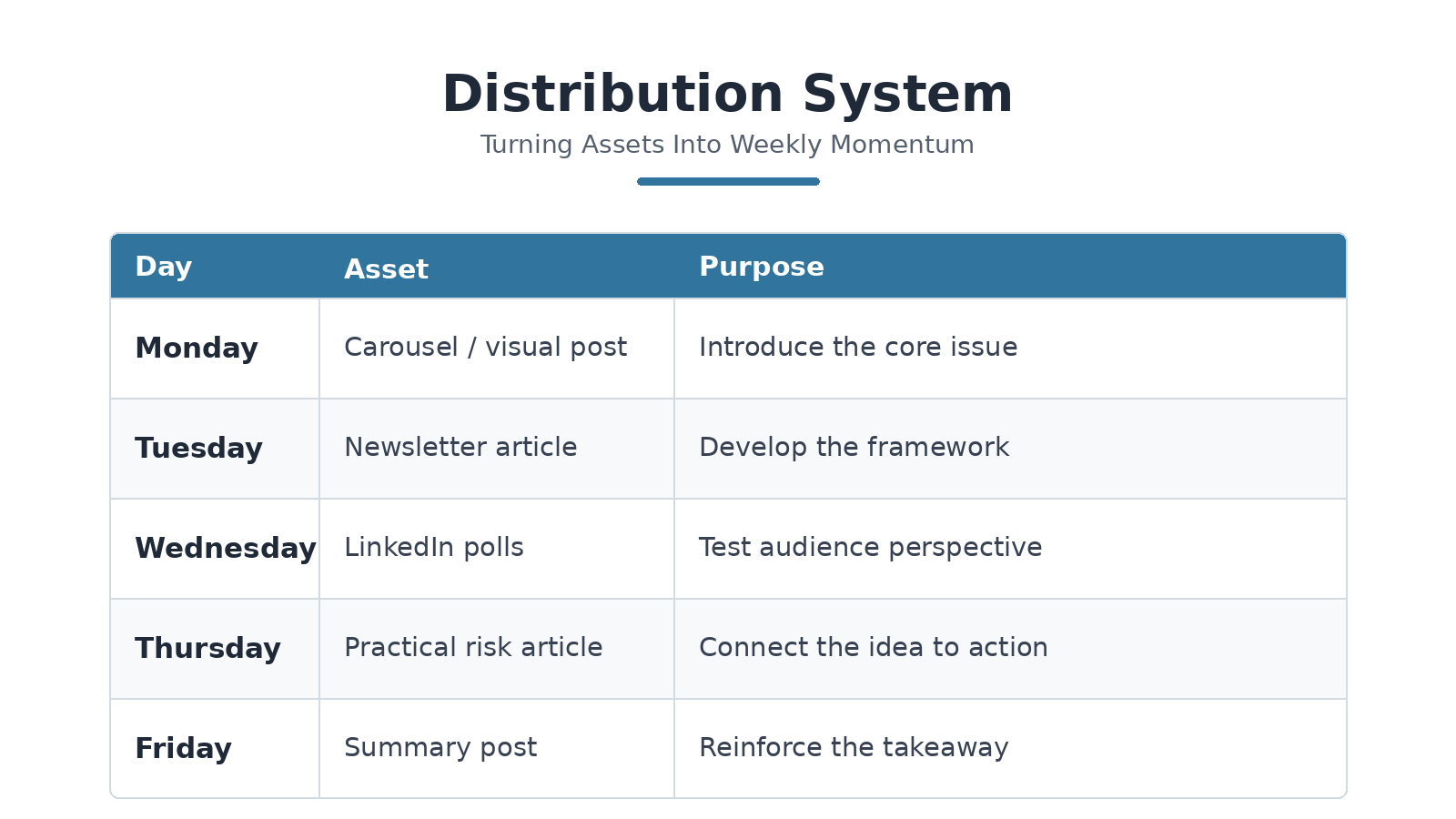
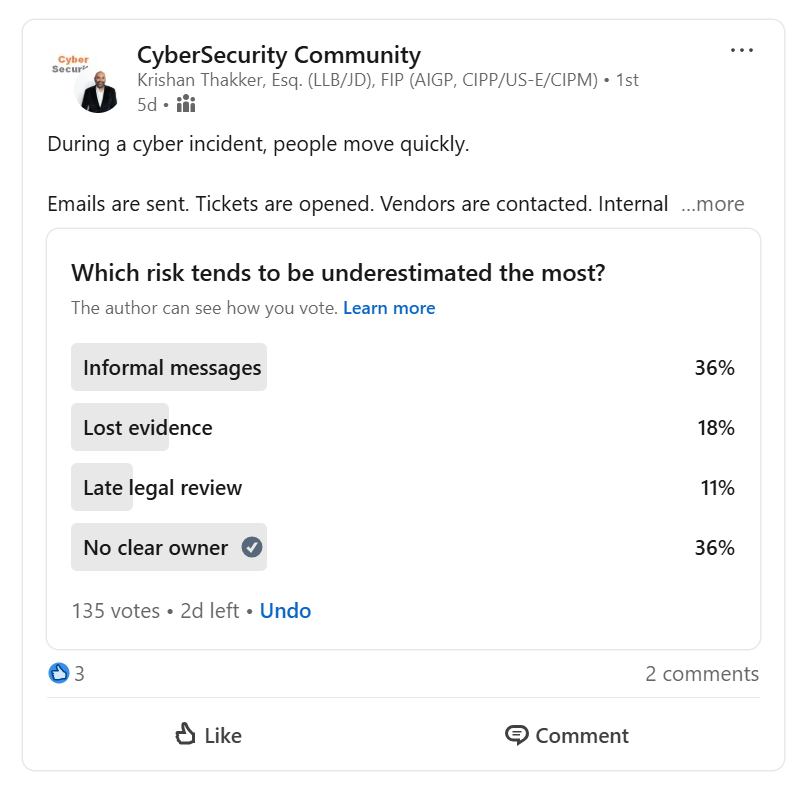
The campaign was built around a simple weekly rhythm. Each idea was introduced visually, developed through a longer article, tested through polls posted in targeted LinkedIn groups, and reinforced through summary content. This gave Krishan more than a publishing schedule. It gave him a repeatable system for making one legal defensibility concept visible from multiple angles.
The rhythm also made the work easier to scale. Instead of creating isolated posts, each week could build around one core idea and turn it into a connected set of assets.
The groups and poll idea are fantastic.
For services that are complex, expensive, and innovative, buyers typically need repeated exposure before they're confident enough to act. A weekly rhythm will help Krishan build buyer confidence over time — moving each idea from visibility to engagement to a practical next step.
The carousel and polls extended the article strategy into more interactive formats. The carousel made the core idea easier to scan and share, while the polls helped test audience thinking and create engagement around the same legal defensibility themes.
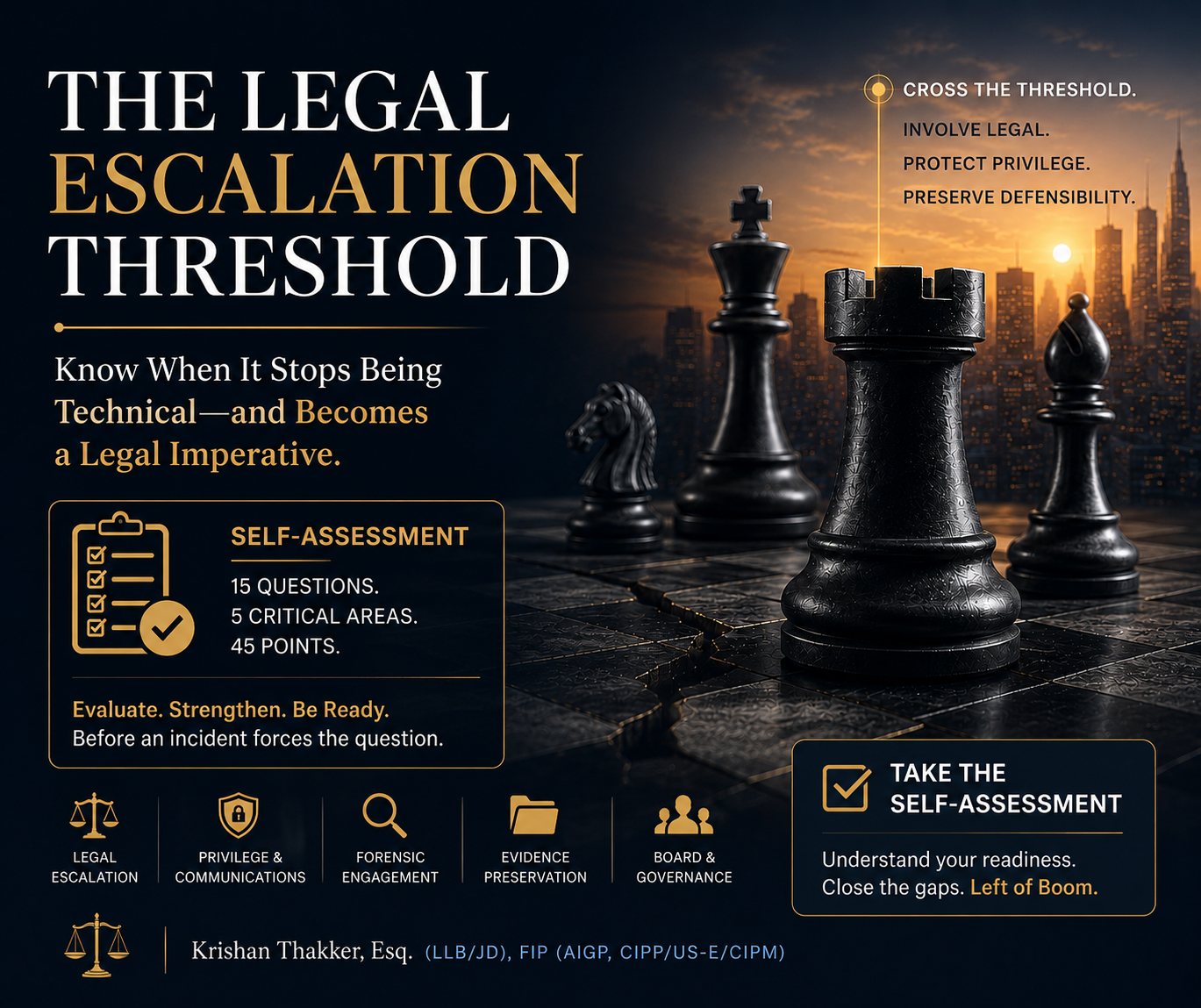
The authority system needed a practical next step. The Legal Escalation Threshold Self-Assessment gave Krishan’s audience a way to evaluate whether their cyber incident response process was structured for legal defensibility.
Instead of asking readers to book a call immediately, the self-assessment let them identify gaps around legal escalation, privilege, forensic vendors, evidence preservation, and board readiness. It turned abstract risk into a concrete readiness score.
That made the offer more useful — and more commercially relevant. The self-assessment created a bridge between Krishan’s thought leadership and a productized next step: the Legal Escalation Threshold Review.
It was also a testable starting point. As the weekly rhythm continues, future content can reveal new offer ideas that may engage buyers even more effectively.
Moving from problem awareness in the content directly into a structured, diagnostic package is brilliant. It creates the perfect bridge between their technical containment and their boardroom defensibility.
Next step: Legal Escalation Threshold Review
Launched to a 420 subscriber newsletter audience, the assessment gave interested readers a measurable way to self-identify legal escalation risk.
The pilot created more than a set of LinkedIn assets. It produced a working authority system Krishan could continue using, expanding, and measuring.
From one expert interview, the campaign generated a newsletter, article series, video library, visual identity, weekly distribution rhythm, diagnostic self-assessment, and productized service concept. It also created a growing audience around Krishan’s legal defensibility perspective.
The most important result was not any single post or article. It was the creation of a repeatable system: one that could build trust, educate the market, and give the right prospects a practical way to self-identify.
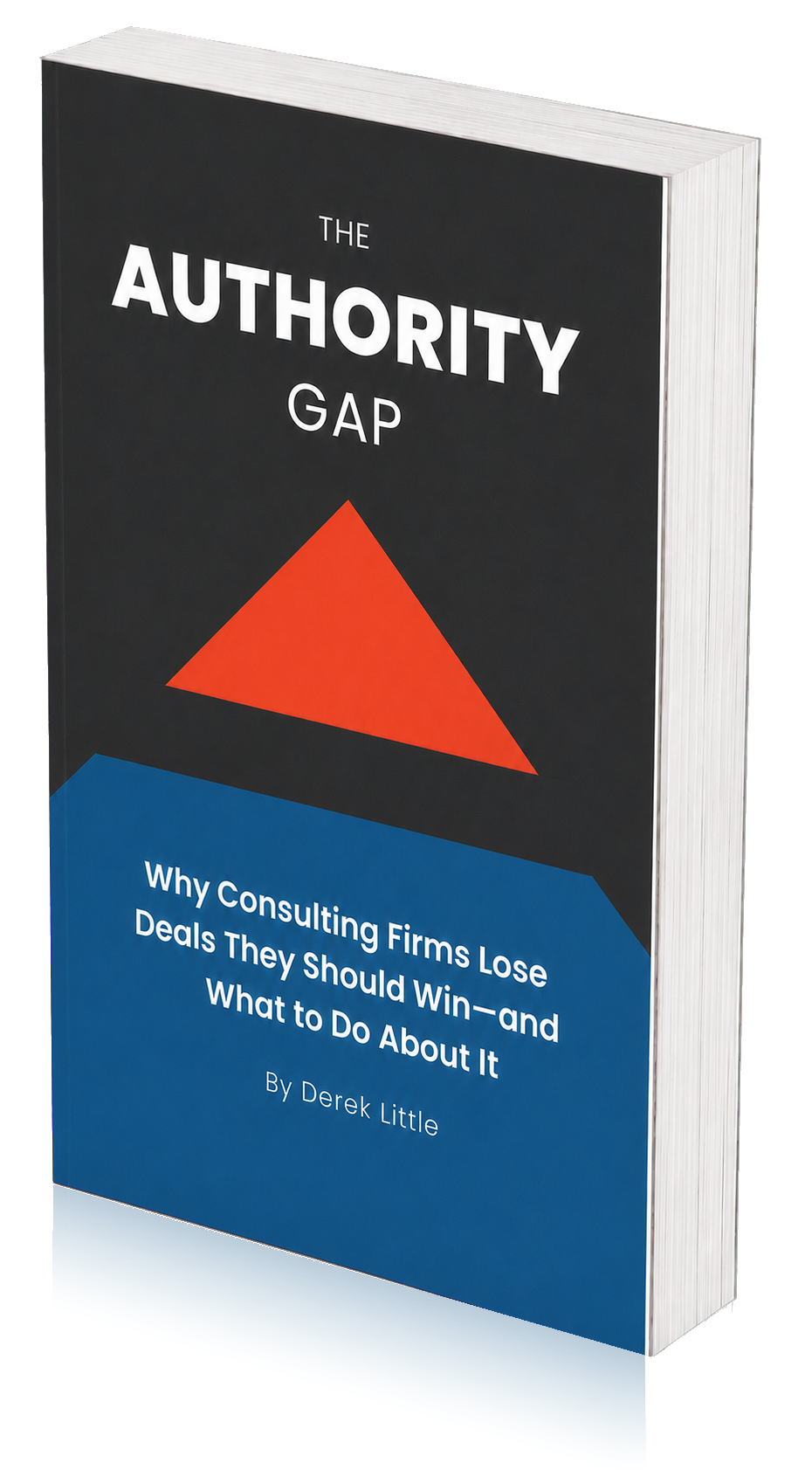
Krishan’s case shows a core idea from The Authority Gap: expertise becomes more relevant when it is connected to the buyer’s real pressure.
Buyers do not respond to knowledge in the abstract.
They respond when they recognize their own risk, decision, urgency, or consequence in the message.
The stronger the buyer-side relevance, the easier it becomes for expertise to create confidence before the sales conversation.